Best Shampoo and Conditioner for Low Porosity Hair to Boost Moisture and Shine
Is something troubling you? 😟
Is low-porosity hair causing frizz and unwanted dryness?🙅♀️
To address straw-like hair, I will share a list of the best shampoos and conditioners for low-porosity Hair.
With so many products out there, it’s hard to find the right ones for specific hair issues. To help you find the solution, we have rounded up the best shampoos and conditioners.
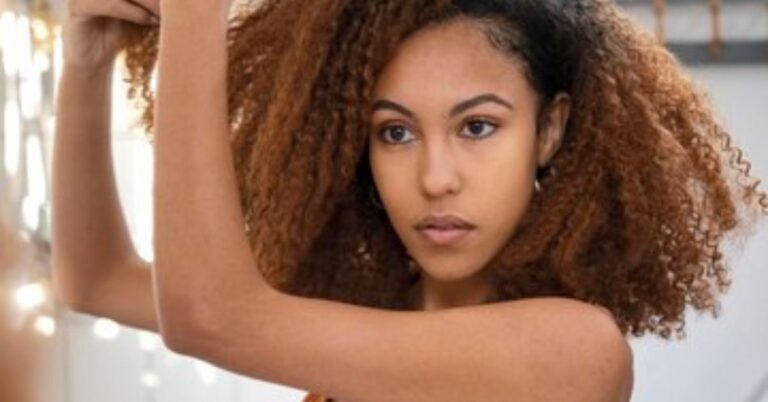
What Does Low-Porosity Hair Mean?

Image source: Freepik
When Hair has very tightly packed cuticles, they don’t allow moisture and products to get in and do their jobs. This type of Hair is dehydrated and rough.
Usually, it doesn’t allow water to penetrate, so hair needs time to get wet. Moisture retention is very low in such kinds of Hair. It has less shine and a matte texture.
To replenish moisture and increase porosity, use gentle shampoos and conditioners. You can also massage your Hair with warm oils.
Our Top Picks for Best Shampoos and Conditioners for Low-porosity Hair
Get your Hair healed and repaired by choosing the best porosity-treating products. My list of top-picked shampoos and conditioners will not disappoint you.
1. SheaMoisture Shampoo Curl and Shine — Best for curly hair
Do you have curly, thick, low-porosity Hair?
You need moisture for your Hair and a shampoo that is less harsh. SheaMoisture Shampoo is a perfect clarifying shampoo for curly, low-porosity hair…
It is chemical-free and free of parabens, silicones, and phthalates. It is an organic hair shampoo that replenishes Hair’s oil and moisture.
The coconut oil in the shampoo helps moisture absorb readily and rejuvenates hair for easy styling.
SheaMoisture Shampoo has a creamy texture; it doesn’doesn’tfoam and gently cleans Hair. It is a perfect solution for low-porosity curly hair because it removes frizz and tangles.
PROS
CONS
What customers say:
Customers say it retains bouncy, natural curls beautifully. It smells great, cleans without stripping hair oils, and defines curls well.
2. Cantu Cleansing Cream Shampoo — Best for frizzy low-porosity Hair

Cantu Sulfate-Free Shampoo is best for natural 2C, 3C, and 4C Hair with low porosity. Its creamy formula is free of harmful chemicals.
The formula consists of natural ingredients, powerful essential oils, and shea butter.
Shea Butter is good for flaky and dry scalps. Its anti-inflammatory properties help soothe dry, irritated scalps. It strengthens the Hair.
All essential oils strengthen, moisturize, stimulate, and condition low-porosity hair. They lock nutrients into hair, making it shiny and strong.
PROS
CONS
What customers say:
Customers say it goes a long way without dropping moisture and shine. It smells great and helps prevent dullness, dryness, frizz, and an itchy scalp.
3. Pureology Hydrate Moisturizing Shampoo — Best for dry low-porosity hair

Extensions, dyeing, keratin treatments, and heat damage hair. It reduces hair porosity. Pureology Hydrate Moisturizing Shampoo is a perfect frizz-free shampoo for low-porosity Hair.
Its creamy texture cleanses hair gently. It treats dry and color-treated Hair. It contains Jojoba oil, which moisturizes dull Hair.
Green tea and sage treat hair follicles and promote a healthy scalp. It helps prevent hair fall and makes it more manageable.
PROS
CONS
What customers say:
Customers love this shampoo as it is best for treated, damaged, thick, and dry Hair. It hydrates and maintains the hair.
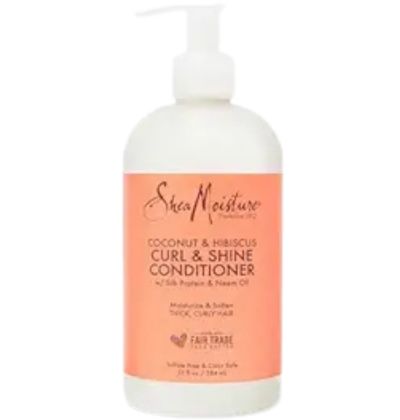
4. SheaMoisture Conditioner Curl and Shine — Best moisturizing conditioner

Most of us think we’ve oiled enough and used a well-reputed shampoo on our low-porosity Hair; that’s that, that’s!!!
But all kinds of oils and hydrating treatments are worthless if you don’t use conditioner.
A conditioner locks moisture in the Hair and gives it a smooth, shiny texture. Coconut, Neem, and Silk Protein infuse your Hair with hydration.
Shea Butter treats damaged Hair and increases moisture absorption. It stays in place for a long time and makes styling easy.
PROS
CONS
What customers say:
Customers say this is the best hair conditioner for low-porosity Hair. It leaves Hair shiny and soft. They love it because it keeps the curls.
5. Aunt Jackie’s and Coils Leave-In Hair Conditioner — Best for frizzy Hair

Aunt JackieJackie’sConditioner is here to the rescue. It is best for moisturizing dry, low-porosity Hair. It’s natural, and its all-herbal ingredients provide extra care for hair.
Marshmallow root, extra-virgin olive oil, and Shea butter work on the roots and strands of Hair. It increases hair elasticity, locks in moisture, and keeps it looking healthy longer.
Hair looks alive and healthy after dryness and brittleness are relieved. You can get more manageable Hair for styling or curling.
PROS
CONS
What customers say
Customers say they finally got a product that does exactly what it says. It is perfect for knots and dry Hair; it works very well. The smell is so good.
6. Aussie Deep Conditioner For Dry Hair — Best for ultra-moisture

Aussie Deep Conditioner is the best for low-porosity Hair. It gives three times more shine and moisture than any other conditioner.
The Hair looks super healthy and detangled. The best thing about this conditioner is that it works on all hair types, including coiled and dull Hair.
It hydrates your Hair from the inside, making it smooth and soft. It adds volume and shine while preserving the hair’s natural texture.
PROS
CONS
What customers say
Customers say it has great value for the price, a miracle in a bottle. Best for dry, brittle, low-porosity Hair.
7. Marc Anthony Leave-In Conditioner Spray — Best frizz-free conditioner

Low-porosity hair needs a mild conditioner to work well as intended. Marc Anthony Leave-In Conditioner Spray is best for damaged Hair.
It contains vitamin E, ginseng, and caffeine to help heal dry, damaged ends. Ginseng works as an antioxidant and alters your hair growth cycle.
It works on the hair follicles, making Hair strong enough to resist heat and environmental damage that cause Hair to thin and fall out.
PROS
CONS
What customers say:
I have thick curly Hair, and this is the only leave-in conditioner I’ll allow. My Hair stays soft for days after using it, and it makes it look so healthy. I can have the worst knots, and this stuff works like a charm!!
8. Mielle Organics Shampoo and Conditioner — Best natural set for low-porosity Hair

Mielle Organics is the leading brand offering hair care solutions for low-porosity Hair. It contains rosemary, mint, and biotin to nourish and care for every strand.
It can address low-porosity hair problems because it works from the root and provides each strand with the nutrients it needs. It slowly strengthens your Hair and increases elasticity.
Whether your hair is thick or thin, Mielle works on all hair types.
PROS
CONS
What customers say:
This is a great duo. I especially love the shampoo. The conditioner works well, but my hair isn’t as soft after using it, so it was just as soft with the shampoo alone. These products smell amazing and work amazingly.
9. Roux Porosity Control Conditioner — Best for chemically treated hair

Roux Porosity Control Conditioner is helping many of us with low-porosity hair. You must try following proper hair care tips.
Wash your hair with a mild shampoo and use Roux conditioner. Use an appropriate brush that causes less breakage.
It prepares your hair for styling and helps it withstand heat. It increases your hair’s elasticity, making it more manageable, easier to style, and improving your everyday look.
PROS
CONS
What customers say:
Customers say that it helps you get rid of tangles like crazy!!!
10. My Black is Beautiful Intense Treatment — Best for intense treatment
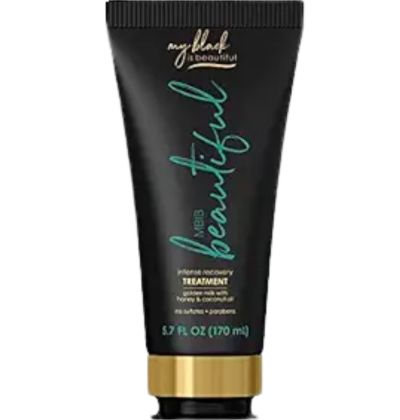
African hair and 4C extremely coiled hair are hard to repair and manage. If they’re low-porosity and damaged, it can seem impossible to reverse.
But My Black is Beautiful Intense Treatment haircare is here to help. It contains healthy proteins, honey, and coconut oil that help hair rejuvenate and come back to life.
It deeply nourishes and strengthens it. It contains no harmful chemicals, helping prevent dryness and brittle hair.
PROS
CONS
What customers say:
My hair felt like it was drinking up all the moisture it craved. The intense recovery treatment left my hair feeling incredibly soft, manageable, and hydrated. It’s a spa day for my curls!
Ingredients You Need to Avoid If You Have Low-Porosity Hair

Image source: freepik
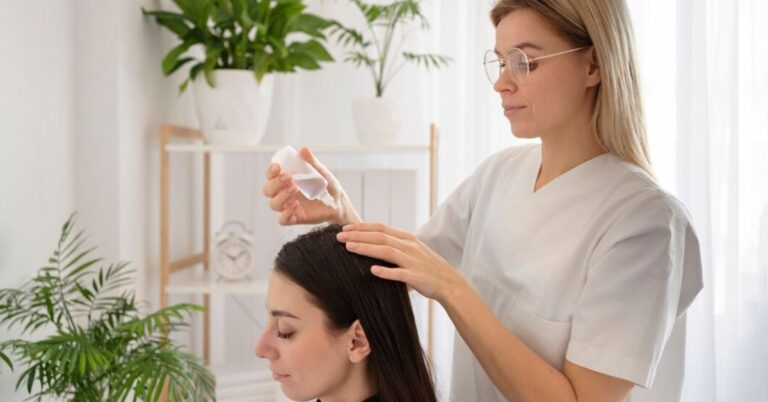
Low-porosity hair is prone to damage and breakage. So avoid certain chemicals when choosing shampoos and conditioners for low-porosity hair to protect your hair follicles from damage.
Harsh chemical treatments can dry out and irritate your scalp. Avoid heat styling, as it can further cause damage and breakage.
- Sulfates
- Excessive protein
- Silicons
Sulfates
Low-porosity consumers should avoid sulfate-based shampoos. Sodium lauryl sulfate (SLS), in particular, removes vital lipids from the scalp and hair surface.
Hair may lose some of its proteins when washed with SLS, resulting in weak hair.
High Dosage of Glycerin and Propylene Glycol
Glycerin and Propylene Glycol are traditional humectants used to trap water molecules in the hair, helping retain moisture.
High doses of these chemicals can harm low-porosity hair. They can make hair feel heavy and reduce the shampoo’s ability to foam.
Formaldehyde Preservatives
Preservatives are important for increasing the durability and shelf life of shampoos. Otherwise, harmful microbial growth can affect the shampoo’s effectiveness. It can also harm consumers.
Formaldehyde is used in cosmetics; it is a strong sensitizer and should not be used.
The following preservatives release formaldehyde when mixed with water.
- Diazolydinyl Urea
- Imidazolydinyl
- DMDM Hydantoin
Usage of Excessive Protein
Excessive protein intake can cause hair dryness and stiffness. Such hair is difficult to manage.
Silicons
Silicons affect the physical health of the hair. Your hair texture and strength can become weak and dull.
5 Tips to Manage Your Low Porosity Hair

Image source: Freepik
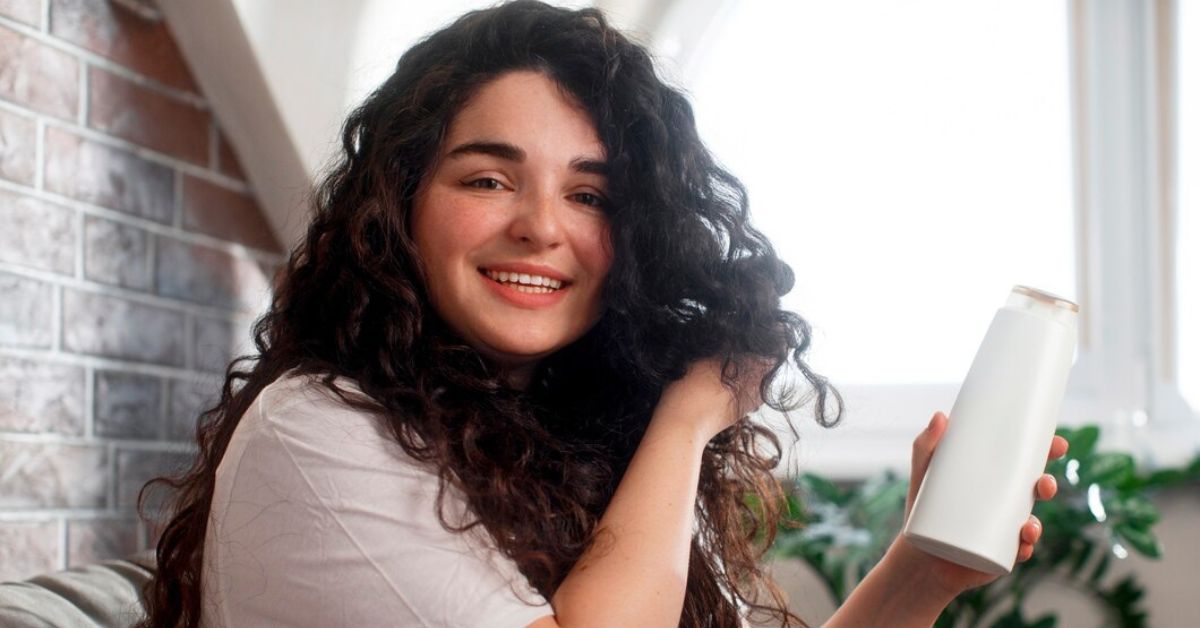
Low-porosity hair needs extra care and special caution. The following are some hair care tips.
Use Warm Water While Washing
Use warm water (not too warm) to open the cuticles. Washing your hair in warm water softens tightly closed cuticles and improves the effectiveness of the products you use.
Shampoo and Conditioner
Choose sulfate-free shampoos and mild, moisturizing conditioners. When selecting hair products, opt for those containing glycerin or other moisturizing compounds to help attract and retain moisture.
Deep Condition Frequently
For hair with poor porosity, deep conditioning treatments are necessary. Use a heated deep conditioner or hair mask to help open the cuticles and allow the conditioner to absorb more thoroughly.
Avoid Using Heavy Products
Products like silicones, heavy oils, and butter can build up on low-porosity hair, leaving it feeling greasy and heavy. Choose lightweight, water-based solutions to prevent buildup.
Avoid Heating
Low-porosity hair can be more vulnerable to damage from heat styling tools and the sun. Protect your Hair from this damage.
Also, see our article about the best hair gels for 4C Hair.
FAQs
What role does pH balance have in low-porosity hair care products?
Low-porosity hair responds better to products with a regulated pH, which also helps preserve the hair’s hydration and vitality.
How long does it take for the proper shampoo and conditioner for low-porosity Hair to start working?
Although results vary from person to person, you should start to see changes within a few weeks if you use the right products consistently.
If my Hair has low porosity, how can I tell?
You can do a quick “float” test by submerging a clean strand of Hair in a glass of water. Its porosity is probably low if it floats; high if it sinks.
Concluding Remarks
Many factors contribute to low hair porosity. External factors cannot always be controlled. But internal factors can be fixed, and there is always a solution.
The solution is here: I mentioned detangling, frizz-free, hydrating, and moisturizing shampoos for low-porosity Hair.
Shampooing alone won’t work without moisturizing conditioners.
I hope this information helps you understand the issue and choose the right shampoo and conditioner for low-porosity hair.
Happy Hair!!🎀